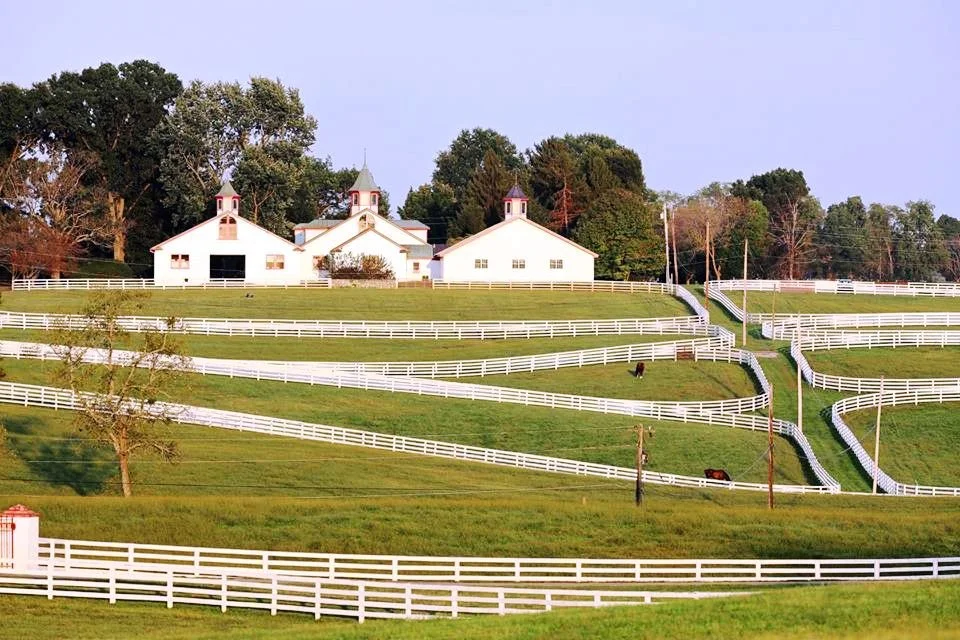
Lexington does not sell rural acreage the way most American cities sell rural acreage. The horse farm real estate scene here is tied to bloodlines, soil, fences, barns, zoning, tourism, and a local identity that buyers can feel before they ever read a listing sheet. Someone looking at land outside Dallas, Nashville, or Phoenix may compare parcels by road access and future development upside. In Lexington, you also ask whether the paddocks drain right, whether the barn layout fits the horses, and whether the farm sits inside a culture built around the sport. That is why national buyers follow regional property market coverage more closely when they study this part of Kentucky. A sale here is rarely a simple land deal. It is often a bet on a way of life. Current public listing data still shows active equestrian inventory near Lexington, with average list prices well into the seven figures, while broader Lexington home values remain far lower by comparison. That gap explains the market’s odd shape: it is local, elite, practical, emotional, and hard to copy.
Why Lexington Farms Trade Differently From Ordinary Rural Acreage
The first thing buyers notice is the scenery. The second thing they notice is that scenery has rules. Lexington horse land carries the charm of stone walls, plank fencing, and rolling fields, but it also carries limits that shape what an owner can do next. That tension is the market. The beauty creates demand; the limits protect the thing people came to buy.
The land value comes from use, not empty space
A casual buyer may see 60 acres and think in simple math. Divide the price by the acreage. Compare it with nearby counties. Decide whether it feels high or low. That works for plain recreational land. It fails fast with Lexington farms.
Here, value often sits in the working details. A 30-stall barn with proper airflow, wide aisles, wash bays, tack rooms, and safe turnout may matter more than an oversized house. A training track, foaling barn, or staff apartment can turn a pretty farm into a business-ready Kentucky equestrian property. The buyer is not paying for grass alone.
That is the counterintuitive part. The most expensive feature may be the quietest one. Good drainage after a hard Kentucky rain can protect horses, save labor, and reduce vet bills. No glossy photo sells that well, but seasoned buyers look for it before they fall in love with the front gate.
Why the national buyer pool changes the tone
Lexington horse farms attract buyers who do not always come from Lexington. Some come from Florida, California, New York, Texas, or the Carolinas. Others already own horses and want to be closer to Keeneland, Kentucky Horse Park, farms, vets, farriers, and sales activity. A regular rural market depends mostly on local incomes. This one often depends on wealth that moves across state lines.
That matters when interest rates rise. Higher borrowing costs can slow ordinary homebuyers fast, but cash buyers and equity-rich owners do not always pull back in the same way. They still negotiate. They still care about price. Yet the best farms can hold attention because the purchase is tied to lifestyle, sport, and long-range land control.
You can see the split by comparing normal Lexington housing with equestrian listings. Zillow’s May 2026 data placed the average Lexington home value at $334,856, while LandSearch showed Lexington-area equestrian properties with an average listing price above $3.3 million. Those are different worlds inside the same metro area.
What Makes Horse Farm Real Estate In Lexington Kentucky So Hard To Replicate
Plenty of American cities have horse property. Ocala has scale. Middle Tennessee has money. Virginia has tradition. Texas has land. Still, Lexington has a tight mix that feels different on the ground: old farms near a real city, a deep equine labor pool, famous venues, and protected rural edges. That blend did not happen by accident.
The Urban Service Boundary keeps pressure inside a frame
Lexington’s Urban Service Boundary is one reason the Bluegrass land market does not behave like a loose suburban fringe. The boundary directs city services and development toward the urban area while protecting rural land for agriculture, horse farms, and open space. In February 2026, CivicLex reported that Lexington approved a new process for deciding whether and when the Urban Service Area should expand.
For buyers, that policy backdrop changes the question. You are not only asking, “Can I buy this farm?” You are asking, “What kind of future is this land likely to have?” If the answer is continued farm use, the price rests on scarcity and preservation, not subdivision math.
This can frustrate some investors. Land near a growing city often screams for rooftops. Lexington says, in effect, not so fast. That restraint supports the farm image that draws buyers in the first place.
Preservation adds value by removing some options
Most markets prize flexibility. Lexington’s farm market often prizes the opposite. A conservation easement or protected rural setting can limit development, but it can also protect the view, the quiet, and the neighboring land pattern. For a horse owner, that may be worth more than the right to carve the farm into lots.
The city’s Purchase of Development Rights program has protected 304 farms covering nearly 33,332 acres, according to Lexington’s own public information. That is not window dressing. It changes the supply story, because preserved land does not return later as a subdivision play.
A buyer coming from a fast-growth market may find this strange. In many places, the dream is buying ahead of development. Around Lexington horse farms, the dream is often buying away from it. That is a different kind of wealth protection.
How Buyers Judge Lexington Horse Farms Beyond The Listing Price
Price still matters. Nobody serious ignores it. But Lexington horse farms force buyers to weigh things a normal home search never touches. A house can be renovated. A weak farm layout is harder to fix. Bad slope, poor access, or awkward barn placement can follow an owner for years.
Barns, fencing, and water tell the real story
A good listing photo may show a white fence glowing at sunset. A smart buyer looks at the posts. Are they sound? Are gates placed where horses and equipment can move safely? Do fields rotate well, or will one paddock get beaten down while another sits unused?
Water matters more than many first-time farm buyers expect. Automatic waterers, frost-free hydrants, pond placement, and drainage routes affect daily work. So does the distance between the main barn, hay storage, equipment sheds, and turnout. A farm with poor flow can cost you time every morning.
One Lexington example would be a smaller farm near Iron Works Pike. It may have fewer acres than a larger property farther out, but proximity to equine services, sale venues, and established farm roads can make it more useful for the right owner. In this market, convenience can beat raw size.
The buyer’s purpose decides the right farm
A breeder, a retired owner, a sport-horse trainer, and a luxury lifestyle buyer may all search the same listings and see different flaws. The breeder studies foaling space, paddock safety, and staff housing. The trainer looks at arenas, footing, trailer access, and client parking. The lifestyle buyer may care more about privacy, views, and a house that works for guests.
This is why first-time acreage buying tips can help, but they do not go far enough for Kentucky equestrian property. You need a farm lens, not only a housing lens. A septic inspection and a roof report are still needed, but they do not tell you whether the land works for horses.
The non-obvious mistake is buying too much farm. Ten extra acres sound useful until you price mowing, fencing, reseeding, insurance, and repairs. A lean, well-built 25-acre setup may serve an owner better than 80 acres that need money every month.
Why The Bluegrass Land Market Can Stay Strong Even When Rates Bite
Rising rates usually cool real estate. Monthly payments climb, sellers wait longer, and buyers get picky. That pattern still touches Lexington. Yet the farm segment has buffers that normal housing does not have. Some buyers are cash heavy. Some are moving assets from another state. Some see the farm as both lifestyle and long-term land holding.
Scarcity protects the best properties, not every property
A common mistake is assuming every farm near Lexington is safe from price pressure. That is not true. Overpriced farms can sit. Properties with poor fencing, tired barns, road noise, awkward access, or weak soils can struggle. Prestige does not fix a bad setup.
The best farms hold up because buyers cannot create more of them at will. You cannot move a parcel closer to Keeneland. You cannot invent mature tree lines, old stone walls, proven pastures, and protected neighbors in one season. Those features age into value.
LandSearch’s June 2026 snapshot showed 75 equestrian properties for sale near Lexington, with a median list price of $1,752,500 and average property size of 66.3 acres. That range gives buyers options, but it also shows how far this niche sits from a normal suburban search.
The horse economy gives the land a reason to exist
Kentucky’s equine sector is not a backdrop. It is part of the value case. The Kentucky Department of Agriculture reported that equine sales reached $736 million in 2022, up 58 percent from 2017, based on Census of Agriculture data. That does not mean every farm earns money, but it proves the industry around these properties has real economic weight.
The USDA Census of Agriculture also gives buyers a better way to read the state’s farm base because it tracks land use, ownership, production, income, and expenses every five years. That kind of data matters when a buyer wants more than romance.
The Bluegrass land market is strongest when the farm has a clear reason to exist. Maybe it boards horses. Maybe it supports breeding. Maybe it sits in a location that wealthy owners want for privacy and access. A pretty field alone is not enough. Purpose keeps value from becoming pure mood.
Conclusion
Lexington’s farm market is not easy to measure with the same ruler used for suburbs, vacation homes, or rural lots outside fast-growing cities. It has too many layers for that. Soil, barn design, protected land, road names, horse culture, and buyer wealth all push on price at once.
That is why horse farm real estate in this area can look expensive on paper and still make sense to the right buyer. The value is not only in the acreage. It is in the system around the acreage: the vets, the sales grounds, the farm roads, the zoning habits, and the neighbors who understand why a good pasture matters.
Still, smart buyers should stay disciplined. Walk the barns. Study the fencing. Ask about easements. Price the repairs before you fall for the view. If you want more guidance on rural property decisions, read how to compare country homes before buying before you tour your next farm. In Lexington, the land may charm you first, but the details decide whether you should own it.
Frequently Asked Questions
How much do Lexington horse farms usually cost?
Prices vary by acreage, location, improvements, and equine facilities. Smaller lifestyle farms may list far below major breeding or training properties, while premier estates can reach several million dollars. Buyers should compare barn quality, fencing, soil, and location instead of judging by acreage alone.
Is Lexington a good place to buy a horse farm?
Yes, for buyers who want access to an established equine network. Lexington offers nearby vets, farriers, sales venues, horse events, and experienced farm labor. The market rewards buyers who understand horses, land care, and long-term ownership costs.
Why are Kentucky equestrian property prices so high near Lexington?
Prices reflect more than land size. Buyers pay for location, soil reputation, equine infrastructure, protected rural scenery, and access to the region’s horse industry. A farm near key roads or venues can command a premium even with fewer acres.
What should I inspect before buying a Lexington horse farm?
Inspect fencing, barns, roofs, water systems, drainage, footing, septic systems, access roads, and turnout layout. Also review zoning, easements, insurance needs, and maintenance costs. A general home inspection is not enough for a working equine property.
Are Lexington horse farms good investments?
They can be, but only when bought with discipline. Strong locations and well-kept improvements tend to hold attention. Overpaying for poor barns, weak drainage, or excess acreage can hurt returns. The best investment is often the farm that needs fewer surprises.
How does Lexington’s Urban Service Boundary affect farm buyers?
The boundary helps preserve rural land by guiding development toward the urban area. That can support scarcity and protect farm surroundings. Buyers should still review each property’s zoning, easements, and future land-use setting before making an offer.
Can out-of-state buyers purchase horse farms in Kentucky?
Yes, out-of-state buyers can purchase farms in Kentucky. Many do. They should work with local farm specialists, equine inspectors, lenders familiar with acreage, and attorneys who understand easements, agricultural zoning, and farm-use issues.
What makes the Bluegrass land market different from other rural markets?
It blends rural land, horse industry demand, protected scenery, and city access in a tight area. Many rural markets sell space. Lexington sells a working equine setting with cultural value attached. That is why ordinary acreage comparisons can mislead buyers.