
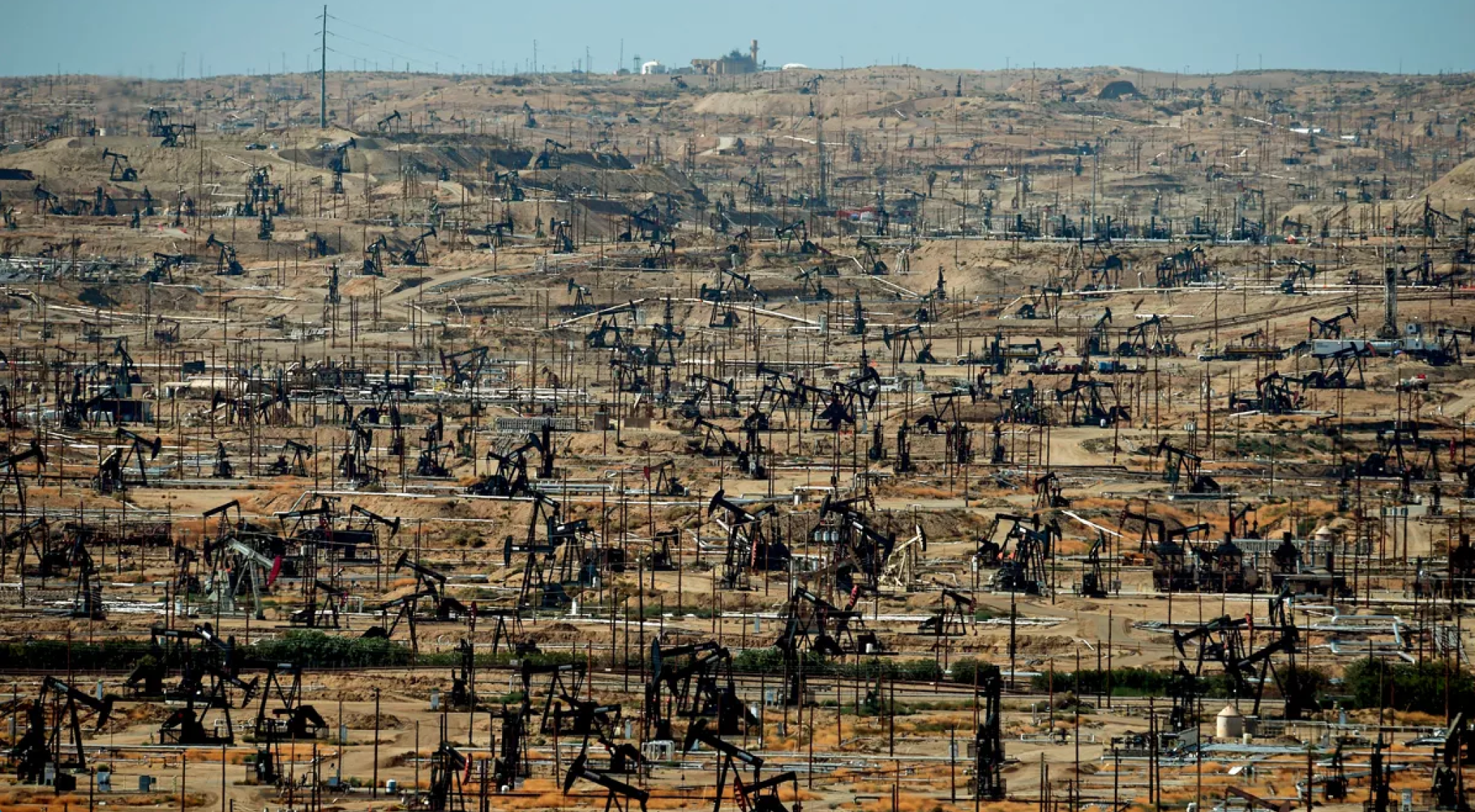
California buyers are used to bad news. The payment is too high, the down payment feels out of reach, and the neighborhood that looked possible three years ago now feels like a stretch. Yet the Real Estate Market in Bakersfield keeps pulling attention for a different reason: it still gives working households a shot in a state where that has become rare. Bakersfield is not cheap in the old sense. A $390,000 to $420,000 home still takes planning, income, and discipline. But compared with coastal California, it sits in another lane. That is why buyers, small landlords, and families priced out of Los Angeles, Ventura, and the Bay Area keep studying this oil-country city. For readers tracking California property coverage, Bakersfield offers a useful lesson: affordability is not only about low prices. It is about wages, commute choices, land supply, mortgage math, and whether a local economy can keep people employed through messy cycles.
Why the Real Estate Market Looks Different in Bakersfield
Bakersfield does not behave like a beach city, a tech suburb, or a mountain retirement town. Its housing story comes from work boots, warehouse shifts, farm routes, oilfield paychecks, school districts, and long stretches of buildable land. That mix creates friction. Buyers want California access without California sticker shock, while sellers know they own something rare: a home in a large state where the median price still looks possible to middle-income households.
Bakersfield housing market demand starts with practical buyers
The Bakersfield housing market is not built on fantasy money. A big share of demand comes from people making grounded choices. They are nurses, refinery workers, teachers, correctional staff, logistics employees, contractors, and families that need bedrooms more than skyline views. That gives the city a different heartbeat from coastal markets driven by stock wealth or luxury bidding.
A buyer moving from Santa Clarita or the San Fernando Valley may not see Bakersfield as a dream escape at first. The heat is intense. The commute can be serious. But the trade-off is plain. A family that cannot touch a starter home closer to Los Angeles may find a newer tract home in southwest Bakersfield with a yard, a garage, and a mortgage that does not swallow the whole household budget.
That is the quiet force behind local demand. It is not hype. It is math.
The counterintuitive part is that affordability can create pressure. When one of the few reachable cities in California stays reachable, it attracts more buyers who have already been rejected by pricier counties. So lower prices do not always mean weak demand. In Bakersfield, they often mean a wider buyer pool.
Oil-country identity still shapes buyer confidence
Oil is not the whole Bakersfield economy, but it still shapes how people read the city. Kern County has long been tied to energy and agriculture, and that matters for housing because paychecks decide what buyers can bid. A household with one oilfield income and one public-sector income may look different from a household relying on seasonal work alone.
The link is not simple. Oil jobs can pay well, but they can also feel exposed to policy shifts, permit delays, commodity prices, and long-term energy change. That makes some buyers cautious. It also makes some sellers patient, because they know energy work has supported local purchasing power for decades.
A real example shows up in neighborhoods near major work routes. Homes with easy access to Highway 99, Rosedale Highway, and Stockdale Highway can draw buyers who care less about charm and more about shaving twenty minutes off a daily drive. That is not glamorous. It is powerful.
Bakersfield’s edge is not that oil makes housing immune. Nothing does. The edge is that energy, agriculture, distribution, health care, and government jobs create several lanes of demand at once. If one lane slows, the whole road does not empty overnight.
How Affordability Pressure Is Sending Californians Inland
California affordability trends have trained buyers to compromise. The question is no longer, “Can I buy where I grew up?” For many families, the question is, “How far inland do I need to go before ownership becomes possible?” Bakersfield sits near the center of that answer. It is close enough to Southern California to stay familiar, but priced far below the state’s most punishing counties.
California affordability trends make Bakersfield feel rare
Statewide affordability is still tight. The California Association of REALTORS reported that only a small share of households could afford the median-priced single-family home in early 2026, with the statewide median price above $800,000. That puts Bakersfield in a different light, especially when local sale prices are often around half that level. The gap is the story, not one month’s price move.
That is why buyers compare payments, not headlines. A household looking at a $400,000 Bakersfield home is still facing interest rates, insurance, taxes, repairs, and a down payment. But the starting point is different from a $900,000 home in Orange County or a $1 million starter in parts of the Bay Area.
You can see why inland cities gain attention when the coast gets too expensive.
The non-obvious insight is that Bakersfield does not need to become “hot” to benefit. It only has to remain less impossible. In a state where many buyers feel locked out, a market that stays possible can draw steady interest even without flashy job growth or luxury buzz.
Kern County homes offer space that coastal buyers gave up on
Kern County homes often solve a basic problem that coastal listings cannot: room. Not mansion space. Normal space. A third bedroom. A usable backyard. Parking that does not require a daily negotiation. For families in crowded rentals, that matters more than granite counters or a trendy address.
A Los Angeles County renter paying high monthly rent may come to Bakersfield and see the same payment working harder. The house may be farther from the coast, and summer utility bills may sting, but the buyer gets control. Pets become easier. Kids get outdoor space. A side business can fit in the garage.
That emotional shift carries weight. Buyers are not only buying square footage. They are buying relief.
Still, space can fool people. A larger home farther inland is not automatically cheaper if the commute, air conditioning, car costs, and maintenance erase the savings. Smart buyers run the full monthly picture. The best Bakersfield purchase is not the biggest house you can qualify for. It is the house that still leaves your life breathable after closing.
Where Investors See Opportunity Without the Coastal Price Tag
Investors often chase the same places until the numbers stop working. Then they look for markets where rents, prices, and entry costs still have room to make sense. Bakersfield has entered that conversation because it offers California ownership without coastal pricing. But the opportunity is not automatic. You have to read the city by jobs, neighborhood pattern, tenant base, and repair risk.
Rental demand is tied to work, not lifestyle branding
The Bakersfield housing market has rental demand because people live and work there year-round. That sounds obvious, but it separates Bakersfield from vacation-driven areas where income can depend on tourism, short-term rules, or seasonal traffic. Long-term tenants in Bakersfield often want practical housing near schools, medical jobs, logistics corridors, and daily services.
For a small landlord, that can be appealing. A three-bedroom home near a stable employment pocket may attract families who value consistency. A duplex close to downtown services may serve workers who need access more than polish. The rent story is local. It is not built for Instagram.
That is where investors make mistakes. They apply coastal assumptions to an inland city. They over-renovate. They expect luxury rent bumps in areas where tenants care more about parking, cooling, safety, and school access. A clean, durable property can beat a flashy one if it fits the renter’s real life.
The hidden edge is restraint. In Bakersfield, the best return may come from doing the plain things well: strong air conditioning, solid roofing, low-maintenance flooring, working gates, and fast repairs. Those choices do not photograph like designer tile, but tenants remember them in August.
Cash flow depends on insurance, repairs, and neighborhood fit
Lower purchase prices can tempt investors into lazy math. That is dangerous. Bakersfield homes may cost less than coastal homes, but older roofs, HVAC wear, water issues, and tenant turnover can still eat returns. A property that looks affordable on paper can become expensive if the repair file is ignored.
Take an older home near central Bakersfield. The price may look inviting. The rent estimate may look fine. But if the electrical panel needs work, the roof is near the end of its life, and the cooling system struggles through summer, the first two years can drain cash. A cheaper entry point is not the same as a safer deal.
This is where rental property management tips and first-time homebuyer planning deserve a place in the same conversation. Owner-occupants and investors both need reserves. The difference is that investors must also price vacancy, tenant screening, and local code issues before they get excited.
Kern County homes reward patient buyers more than careless bargain hunters. The right property can work. The wrong one can punish you slowly.
The Risks Buyers Should Not Ignore Before Moving Inland
Bakersfield’s affordability story is real, but it is not a free pass. Every market has a trade-off. Here, the trade-offs include heat, air quality concerns, oil-related uncertainty, water pressure in the broader region, commute strain, and neighborhood-by-neighborhood differences that can surprise outside buyers. The best move is to respect the upside without pretending the risks are small.
Oil and agriculture create strength and exposure
Energy and agriculture give Bakersfield an economic base that feels different from office-heavy cities. That base supports wages, service businesses, trucking, equipment repair, and public revenue. It also ties the area to forces a buyer cannot control. Oil policy can shift. Crop economics can change. Water rules can bite. Commodity prices can swing.
That does not mean buyers should run. It means they should price risk like adults.
A family buying near a steady school, hospital, or public employer may feel more insulated than a buyer whose household income depends on one volatile sector. An investor buying near several job sources may have a deeper tenant pool than one buying on the edge of a single employment corridor.
The counterintuitive point is that risk can protect affordability. Coastal California became unreachable partly because demand was broad, wealthy, and constant. Bakersfield’s economic questions keep some buyers cautious. That caution can limit runaway pricing and leave space for local households to compete.
Neighborhood choice matters more than broad city headlines
A citywide price number can hide too much. Southwest Bakersfield, Rosedale, Seven Oaks, downtown-adjacent blocks, older northeast areas, and newer subdivisions can all tell different stories. One part of town may feel tight and competitive. Another may offer more negotiation. A third may need deeper repair checks before a buyer should move forward.
This is why online research can only take you halfway. Drive the routes at work hours. Visit in the heat. Check how far the grocery store, school, clinic, and freeway entrance feel when traffic builds. A house that seems perfect at 11 a.m. can feel different during the evening rush.
For remote buyers, this step matters even more. Bakersfield is not one flat price map. It is a patchwork of habits, school preferences, commute patterns, and local reputations. The buyer who learns that patchwork makes better choices.
California affordability trends may push people inland, but they should not push anyone into rushing. The city gives buyers more room to think. Use it.
Conclusion
Bakersfield is not beating California’s affordability problem by magic. It is doing something more believable. It offers a lower entry point, a work-based economy, usable land, and housing choices that still match the lives of many middle-income buyers. That mix makes it stand out in a state where ownership often feels reserved for high earners or people with family money. The Real Estate Market here deserves attention because it shows how much demand remains when prices are still within reach. But buyers should stay clear-eyed. Heat, repair costs, job exposure, and neighborhood differences can change the deal fast. The smart move is not to chase Bakersfield because it looks cheaper. The smart move is to study whether the payment, location, work pattern, and long-term plan fit your life. If they do, this oil-country city may offer something rare in California: a practical path forward.
Frequently Asked Questions
Is Bakersfield still affordable compared with the rest of California?
Yes, it remains far more reachable than many coastal California cities. Buyers still face high mortgage rates and ownership costs, but local prices often sit well below the statewide median. That gap is why Bakersfield keeps drawing inland movers.
Why are people moving to Bakersfield from other California cities?
Many buyers want more space, a lower purchase price, and a payment that feels possible. Some come from Los Angeles County, Ventura County, or the Bay Area after realizing that ownership closer to the coast may not fit their income.
Is Bakersfield a good place for first-time homebuyers?
It can be, especially for buyers who want a single-family home and can handle the climate, commute, and maintenance costs. The best approach is to compare the full monthly payment, not only the sale price.
How does oil affect Bakersfield home prices?
Oil supports local wages and business activity, but it also adds risk when energy prices or state policy shift. Housing demand is not based on oil alone, yet the industry still influences confidence, jobs, and buyer strength.
Are Kern County homes good for rental investors?
Some can work well as long-term rentals, especially when they are near jobs, schools, and daily services. Investors need to budget for cooling systems, roofs, repairs, insurance, vacancy, and tenant turnover before trusting the numbers.
What neighborhoods should buyers research in Bakersfield?
Buyers often compare southwest Bakersfield, Rosedale, Seven Oaks, downtown-adjacent areas, and older established neighborhoods. The right choice depends on schools, commute routes, budget, repair tolerance, and whether the buyer wants newer construction or more central access.
Will Bakersfield home prices crash soon?
A crash is not the base case if jobs, inventory, and buyer demand remain steady. Prices can soften in certain segments, though. Homes that are overpriced, poorly maintained, or far from key services may face more pressure.
What should out-of-town buyers check before purchasing in Bakersfield?
They should visit during commute hours, review utility costs, inspect HVAC condition, compare school zones, study neighborhood patterns, and confirm repair needs. A lower price helps, but the wrong location or hidden maintenance can erase the savings.