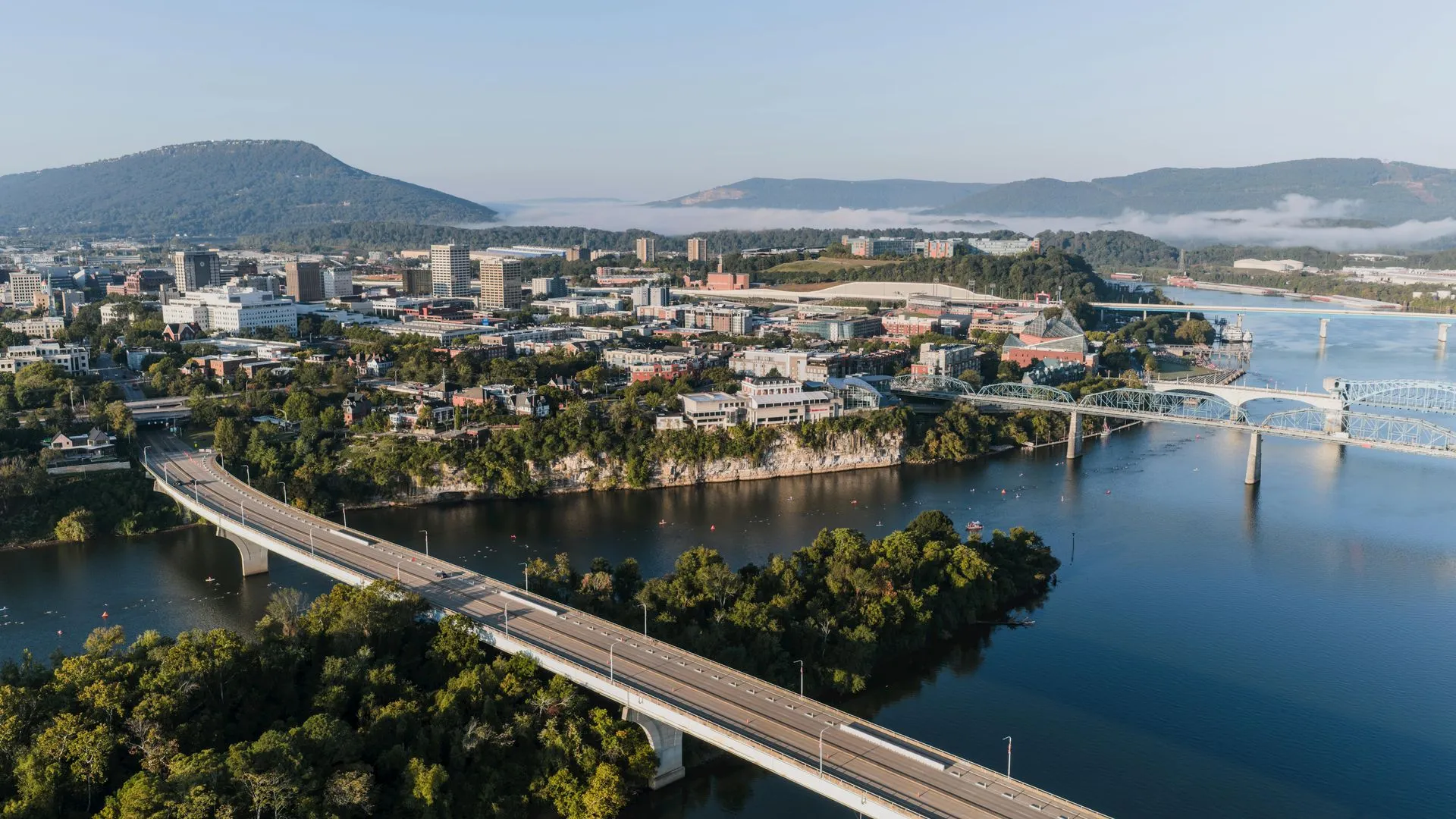
A river can change how a city feels long before it changes a buyer’s budget. In Chattanooga, the River District is moving from postcard scenery into a daily-life decision for people who want walkable streets, access to the Tennessee River, and a home near the next wave of downtown growth. That is why new buyers are watching this part of the city with fresh interest, not only for views but for how the area is being rebuilt around movement, parks, housing, and local business. For readers tracking local market coverage, real estate growth stories like this matter because a waterfront shift can reshape choices block by block. Chattanooga waterfront homes still carry a premium in many pockets, yet the buyer story is not simple. Some listings now sit long enough for patience to matter, while nearby projects point to a stronger future neighborhood fabric. The draw is not hype. It is the chance to buy into a place where public space, private development, and downtown access are finally starting to pull in the same direction.
Why the River District Is Pulling Buyers Back Toward the Water
Chattanooga’s waterfront appeal is not new, but the buyer math has changed. For years, the river worked as a weekend backdrop: aquarium visits, the Walnut Street Bridge, festival crowds, dinner near the water. Now the question feels more personal. Can you live near that energy without feeling trapped in tourist traffic? Can the streets work for errands, workdays, dogs, bikes, and groceries? River City Company’s ONE Riverfront planning work points to the same tension, noting past investment in the waterfront while calling for stronger park activation, better links to nearby downtown areas, and a clearer local sense of place.
Chattanooga waterfront homes are selling a lifestyle, not only a view
Buyers who look at Chattanooga waterfront homes often start with the obvious: balcony, river sightline, short walk to dinner. That is the shiny part. The better question is what the home feels like on a rainy Tuesday in February, when nobody is visiting and you still need coffee, parking, a clean sidewalk, and a route to work.
That is where downtown Chattanooga buyers have become more selective. They are not fooled by a pretty map pin. A condo near the Tennessee Aquarium may feel different from a house closer to North Shore, and both may serve a different person than a future apartment near The Bend. A river address is only useful when the streets around it support normal life.
The non-obvious point is that a less dramatic view can sometimes be the smarter buy. A unit one or two blocks back may avoid the highest price tier while keeping access to the Riverwalk, shops, and downtown services. That small trade can matter when insurance, HOA dues, interest rates, and parking fees all press on the monthly payment.
Walkability is becoming the quiet dealmaker
The riverfront’s next test is not whether people like the water. They already do. The test is whether the area can stitch together downtown, North Shore, South Broad, and the park system without making every trip feel like a car chore.
Chattanooga has one strong advantage here: the Tennessee Riverpark. The city describes it as a 13-mile paved urban greenway connecting downtown to Chickamauga Dam to the east and Historic St. Elmo to the south, open to walkers, cyclists, runners, and skaters. That makes the official Tennessee Riverpark page more than a recreation link; it is a clue to how buyers judge daily access.
CARTA’s free Downtown Electric Shuttle adds another layer because it runs through the downtown spine between the Chattanooga Choo Choo and the Tennessee Aquarium, with block-by-block access to attractions, jobs, hotels, and shopping. For a buyer, that does not erase the need for a car. It can, however, lower the penalty of living close to the core. Less friction wins more often than flash.
Good walkability also protects a buyer from one common regret: loving the home but avoiding the neighborhood. If crossing a street feels hostile, if the shade disappears in July, or if every errand turns into a parking hunt, the address starts to shrink. A smaller home in a more usable setting can feel bigger than a larger home stranded behind traffic.
The New Projects Changing Buyer Expectations
A buyer does not need to become a planning expert to understand the shift. You can stand near the river, look west toward old industrial land, then look back toward downtown and see the story. Chattanooga is not adding one isolated apartment building and calling it progress. It is trying to turn large, underused pieces of land into connected neighborhoods. That is a harder job. It also creates a wider range of buyer choices. The friction is timing. The reward is that buyers can choose between finished blocks, emerging blocks, and longer-range bets.
One Westside is a housing story with market impact
One Westside matters because it is not only aimed at newcomers. Its plan includes new green space, better links to downtown and the riverfront, a preserved community hub at the historic James A. Henry School, and 1,126 new apartment homes, with 40% planned as market-rate. That mix changes the tone of the area. It says the west side of downtown should not become a single-income, single-purpose enclave.
For Tennessee River real estate, that distinction matters. Mixed-income rental supply can make the broader district feel more stable than a narrow luxury-only corridor. It can add residents who walk to work, support small businesses, fill parks outside tourist hours, and keep the area from feeling empty between events.
The counterintuitive piece is that affordable and mixed-income housing can support buyer confidence rather than weaken it. Buyers often fear that new supply means competition for value. In a healthy urban district, the opposite can happen. More residents create more routine street life, and routine street life is one of the best signs a downtown neighborhood is maturing.
There is still a hard question behind the hope: will the new homes connect to existing residents with respect? If the answer is yes, the area gains depth instead of a glossy surface. Buyers should care about that because shallow districts age poorly. Places with memory, services, and a mix of incomes tend to feel more real after the first wave of excitement cools.
The Bend and South Broad are widening the map
The Bend may be the clearest example of how Chattanooga’s river-adjacent land is being reimagined. Its own project information describes more than 120 acres of former industrial land, with the North Phase infrastructure completed at the end of 2025 and a first residential development expected to take about two years once vertical work begins. That timeline matters because buyers are not only buying what exists today. They are also reading the direction of travel.
South Broad adds another force. The district plan ties the mixed-use stadium effort to an $80 million public bond package approved in 2022, with the goal of drawing more than $1 billion in private investment and creating a projected $2.3 billion regional economic impact. Big numbers can sound abstract, but the practical effect is easier to picture: more housing, office space, entertainment, reused industrial buildings, and streets that no longer feel like leftover edges of downtown.
This is where Tennessee investment property checklist thinking helps. A buyer should not chase a construction crane as if it guarantees appreciation. The smarter move is to ask what the crane connects to. Does it connect to sidewalks, employers, parks, and repeat foot traffic? If yes, the project may lift the area around it. If not, it may stay as an island with nice renderings.
Patience has value here. The first buyers near a changing corridor may deal with noise, detours, dust, and blank storefronts before the reward arrives. That does not make the choice bad. It means the discount, if there is one, should pay you for living through the messy middle.
What Buyers Should Watch Before They Make an Offer
Excitement can make a buyer sloppy. That is risky in any market, but it is worse near a changing waterfront because the future can look cleaner than the present. You need to judge both. Chattanooga’s riverfront has strong long-term pieces, yet the current market still has price gaps, limited inventory in certain pockets, and practical tradeoffs that do not show up in a listing photo. A smart offer begins with the life you can afford now, not the brochure version of what might arrive later.
Current market signals are more balanced than the buzz suggests
As of May 2026, Realtor.com’s Riverfront neighborhood data showed a $525,000 median listing price, 17 homes for sale, 49 median days on market, and a balanced market reading where supply and demand were about even. The same data showed the median listing price down 15.25% year over year while days on market rose 40%. That does not mean the area is weak. It means buyers may have more room to think.
This matters for downtown Chattanooga buyers who felt priced out during the faster pandemic-era market. A slower pace gives you time to compare HOA rules, parking costs, flood considerations, renovation limits, and rental restrictions. Those details can swing a good-looking purchase into a tiring one.
The hidden risk is overpaying for a story. A seller may price a property as if every future project has already landed. You should price the home for what you can touch today, then give some value to the upside. Future parks and new retail are a bonus, not a substitute for inspection, location, and payment comfort.
Buyers should also separate neighborhood direction from building condition. A rising area will not fix a weak roof, poor drainage, thin walls, or an underfunded association. The river may bring attention, but water also makes due diligence sharper. Ask about moisture history, insurance costs, basement or garage exposure, and how storms affect nearby streets.
The best blocks may not be the loudest blocks
Some buyers want to be near every restaurant, game, and concert. Others want a short walk to the action with enough distance to sleep. Both are valid. The mistake is treating the whole waterfront as one zone.
A condo facing the core may work for a remote professional who wants evening energy and can handle weekend crowds. A townhouse closer to North Shore may suit someone who wants parks, local shops, and a calmer residential feel. A buyer watching South Broad may be taking a longer bet on industrial reuse and entertainment-led growth. Each choice has a different rhythm.
Use a simple field test. Visit the same block at 8 a.m., 5:30 p.m., and 10 p.m. Do it on a weekday and a Saturday. Listen for traffic, trains, delivery trucks, event noise, and how the sidewalks feel after dark. You will learn more in those visits than in ten listing descriptions. That is the kind of buyer discipline covered in a downtown home buying guide, and it matters more when a neighborhood is changing fast.
A good agent should be able to explain the micro-area without hiding tradeoffs. Ask where residents actually walk, where parking gets tight, which streets feel safer at night, and which buildings have cleaner resale histories. The answer should sound specific. If it sounds like a slogan, keep asking.
How the Riverfront Shift Could Reshape Long-Term Value
A real estate market does not change only through price. It changes when people start using an area in new ways. Chattanooga’s downtown waterfront used to lean hard on visitors and signature attractions. The next phase is more residential. That could make the area feel less like a destination you visit and more like a district you belong to. The strongest long-term value may come from that ordinary use: morning routines, school drop-offs, dog walks, lunch crowds, and neighbors who stay.
Public space is becoming part of the property package
Riverfront Parks NEXT shows how public space can affect private demand. The plan describes upgrades such as shaded walking and biking space along the Riverwalk, seating and swings, picnic and fishing piers, traffic calming on Riverfront Parkway, and a future Hawk Hill redevelopment concept with parking built into buildings. Those are not small lifestyle details. They affect how often people use the river when there is no festival, no game, and no out-of-town guest to entertain.
Chattanooga waterfront homes gain value from this kind of public investment because the buyer is not paying only for walls and windows. They are buying access to a shared outdoor room. If that room feels safer, cooler, easier to walk, and better connected, the homes around it become easier to love.
Here is the part sellers do not always want to hear: public space can also make buyers pickier. Once a city improves parks and paths, a weak building, poor HOA, or awkward parking setup stands out more. The rising tide helps, but it does not hide every flaw.
Maintenance will decide whether the promise lasts. Benches, lighting, shade, landscaping, and safe crossings need care after ribbon photos fade. Buyers should watch not only what gets built, but how well the city and partners keep it working. A park that ages well can support values for decades.
New buyers are choosing identity as much as square footage
Tennessee River real estate is attracting people who want a Chattanooga identity, not a generic Sun Belt address. They may be relocating from Atlanta, Nashville, Charlotte, or a smaller Tennessee town. They are often looking for outdoor access without giving up restaurants, medical care, airport access, and a real downtown.
That buyer does not always want the largest house. Many want the cleanest routine. Morning walk on the Riverwalk. Coffee nearby. Work within reach. Dinner without a 25-minute drive. A place for visiting family that feels local rather than suburban.
This is why the transformation has legs. It is not built only on investors hunting rent growth. It also speaks to owner-occupants who want a life pattern they can explain in one sentence. “I live near the river and can walk to half my week.” Simple. Hard to beat.
The next question is whether Chattanooga can keep that identity from becoming too polished. The best river cities leave room for local food, older buildings, odd corners, artists, small offices, and everyday services. If everything becomes luxury glass and event traffic, the appeal narrows. If the city keeps texture, the buyer pool broadens.
Conclusion
Chattanooga’s waterfront story is entering a more serious stage. The old pitch was scenery, tourism, and a few beloved attractions. The new pitch is daily life: housing, parks, mobility, reused land, and a stronger connection between downtown and the Tennessee River. That shift is why buyers are paying attention even when the market gives them more time to negotiate.
The River District gives Chattanooga a chance to turn river access into neighborhood value, not merely a weekend backdrop. Buyers should stay excited, but not careless. Walk the blocks. Study the project timelines. Compare today’s price with today’s livability, then give measured credit to tomorrow’s upside. The best purchase will not always be the one with the biggest view or the newest lobby.
It will be the one that still feels smart after the renderings fade. If you are serious about buying near Chattanooga’s waterfront, start with the street, the payment, and the life you plan to live there.
Frequently Asked Questions
Is Chattanooga’s waterfront area a good place to buy a home in 2026?
Yes, for buyers who value walkability, outdoor access, and long-term downtown growth. The area is not cheap, so payment comfort matters. Look beyond the view and compare HOA costs, parking, flood exposure, noise, and how the block feels at different hours.
Are Chattanooga waterfront homes better for investors or owner-occupants?
Both can fit, but owner-occupants may have the clearer reason to buy. Lifestyle value is strong near the river. Investors need tighter math because purchase prices, association fees, insurance, and rental rules can limit cash flow even when demand looks appealing.
What should downtown Chattanooga buyers check before making an offer?
Start with the full monthly cost, not only the sale price. Review HOA documents, parking rights, building reserves, short-term rental limits, insurance needs, and nearby construction plans. Then visit the block during commute times, event nights, and quiet mornings.
How will The Bend affect nearby property values?
It could support nearby values if the project adds real housing, shops, jobs, and walkable connections. Still, buyers should avoid paying today for benefits that may arrive years later. Treat the project as upside, not a guarantee.
Does One Westside make the downtown market more attractive?
It can, because mixed-income housing, green space, and community services add steady daily life near the riverfront. A stronger resident base can support local businesses and safer streets. The key is execution over time, not the announcement alone.
Is Tennessee River real estate in Chattanooga overpriced?
Some properties may be priced for the view and future growth, while others offer fair value due to longer market times or less obvious locations. Compare recent sales, days on market, HOA costs, and block quality before deciding whether a listing is overpriced.
What type of buyer is moving toward Chattanooga’s riverfront?
Many are lifestyle buyers who want outdoor access, restaurants, downtown energy, and a lower-friction routine. Some relocate from larger Southern cities. Others already live in the region and want a more walkable home near work, parks, and entertainment.
Should I buy now or wait for more riverfront development?
Buy now only if the home works under current conditions. Waiting may bring more choices, but prices and competition could shift once projects mature. A sound purchase should stand on today’s payment, location, and building quality, with future growth treated as a bonus.